Early Years
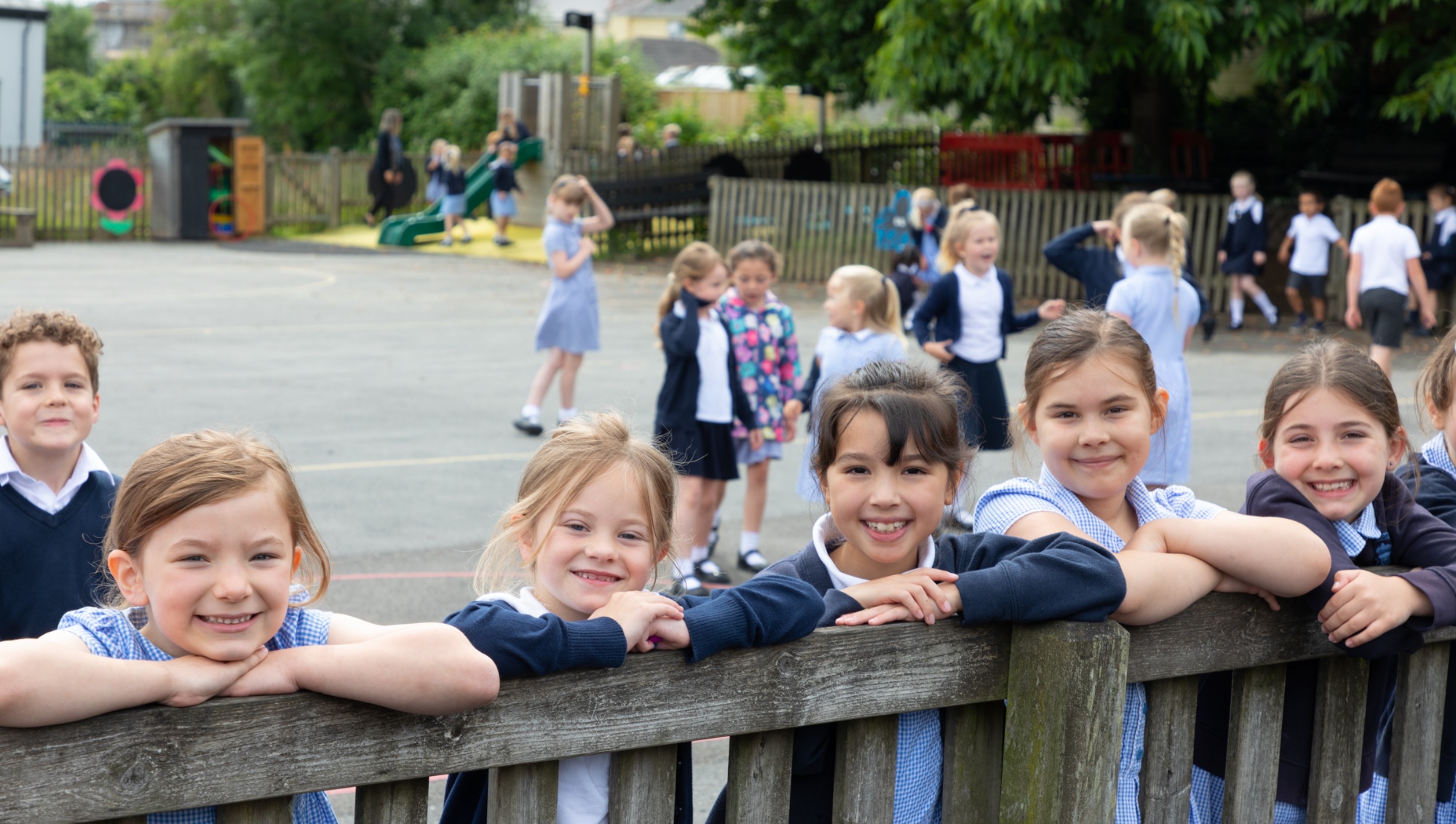
At Boringdon Primary School, we want every child to have a happy and positive start to school. We aim to develop children’s confidence and independence while nurturing a genuine curiosity and thirst for learning. We recognise the vital role that the Early Years Foundation Stage plays in establishing strong foundations for children’s future learning and development.
The Early Years Foundation Stage (EYFS) covers the period of a child’s life from birth to five years old. At the heart of the EYFS is the understanding that young children learn best through purposeful play. Through play, children develop the knowledge, skills and attitudes they need for their future learning and their transition into Year 1.
We follow the statutory EYFS framework and use Development Matters to support our curriculum planning, assessment and understanding of children’s development. This helps us to provide an ambitious, well-sequenced curriculum that reflects children’s individual needs, interests and starting points.
Our aim is to provide a rich and stimulating learning environment, both indoors and outdoors. Children are offered meaningful first-hand experiences that encourage them to explore, investigate and become curious about the world around them. During child-initiated learning, interactions between adults and children are essential. Adults observe carefully and use their professional judgement to know when to interact, question, model and scaffold learning. These high-quality interactions help children to develop their language, acquire new knowledge and extend their thinking.
There are seven areas of learning and development that shape the EYFS curriculum. All seven areas are important and interconnected. They are divided into three Prime areas and four Specific areas.
The three Prime areas provide the essential foundations for children’s learning and development:
- Personal, Social and Emotional Development
- Communication and Language
- Physical Development
The four Specific areas are:
- Literacy
- Mathematics
- Understanding the World
- Expressive Arts and Design
When planning and developing learning opportunities, we consider the different ways in which children learn. We incorporate the three Characteristics of Effective Teaching and Learning throughout our practice:
- Playing and exploring
- Active learning
- Creating and thinking critically
We strive to help children become independent, creative, resilient, reflective and confident learners.
We are committed to ensuring that children acquire the mathematical knowledge and understanding needed to build strong foundations for their educational journey and transition into Year 1 and the National Curriculum. We follow the White Rose Education Maths scheme and guidance from the National Centre for Excellence in the Teaching of Mathematics (NCETM).
Children learn about numbers, counting, problem-solving, patterns, shape and spatial reasoning through engaging games, activities and practical experiences. This carefully planned progression helps children to develop a positive attitude towards mathematics. Opportunities within continuous provision allow children to explore mathematical ideas in meaningful contexts and develop the core knowledge and skills outlined in the early years curriculum.
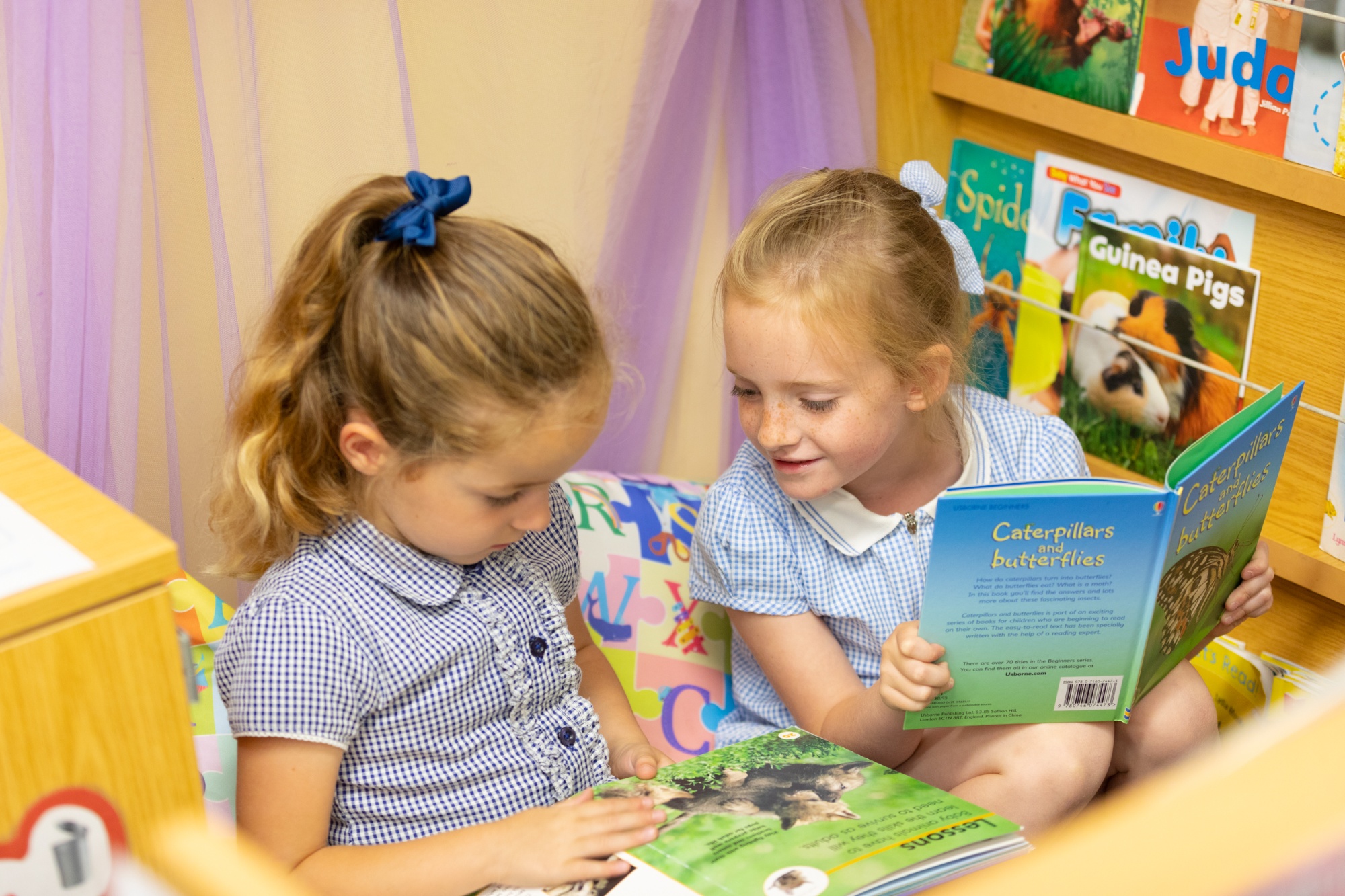
We want all our children to become fluent and confident readers who develop a lifelong love of reading and writing. We use Read Write Inc. Phonics (RWI) to give children the best possible start with literacy. In Foundation, children take part in a daily phonics lesson, beginning with Set 1 sounds and developing their ability to blend sounds to read words. We want every child to enjoy books, develop a love of reading and become motivated to read independently.